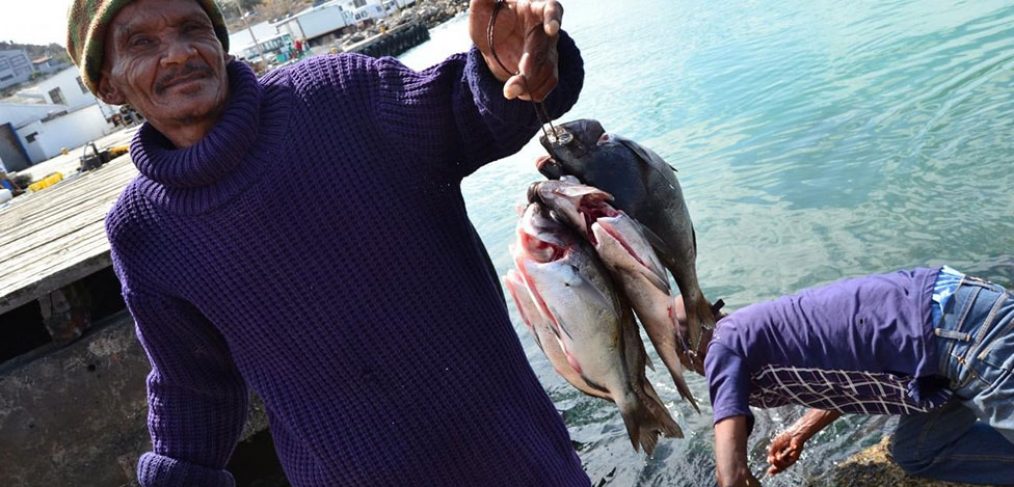
The 2021 theme for World Oceans Day is The Ocean: Life and Livelihoods. With marine resources especially important for the coastal communities in Africa, the ocean is vital for countless livelihoods on the continent and throughout the globe.
The 2021 theme for World Oceans Day is The Ocean: Life and Livelihoods. With marine resources especially important for the coastal communities in Africa, the ocean is vital for countless livelihoods on the continent and throughout the globe.
Misinformation ignores African voices and right to thrive, not just survive – states the Community Leaders Network of southern Africa.
Leave no voice unheard! Sustainable use of biodiversity is a human rights issue in Africa
A Statement by the Community Leaders Network
A delegation of the Community Leaders Network (CLN) is attending the virtual informal sessions in preparation for the Convention on Biological Diversity SBSTTA-24 and will have their voices heard through a statement on Africans’ rights to sustainably use their natural resources under the Nagoya Protocol on Access and Benefit Sharing.
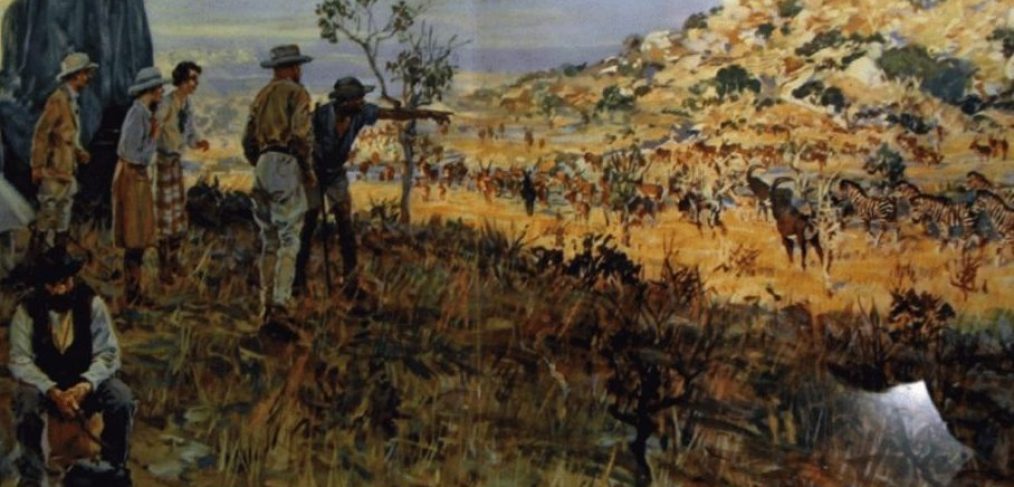
The Community Leaders Network (CLN) challenges those in the Global North who are condemning conservation hunting as a colonial relic. For every complex problem there is an answer that seems clear and simple but is often wrong.
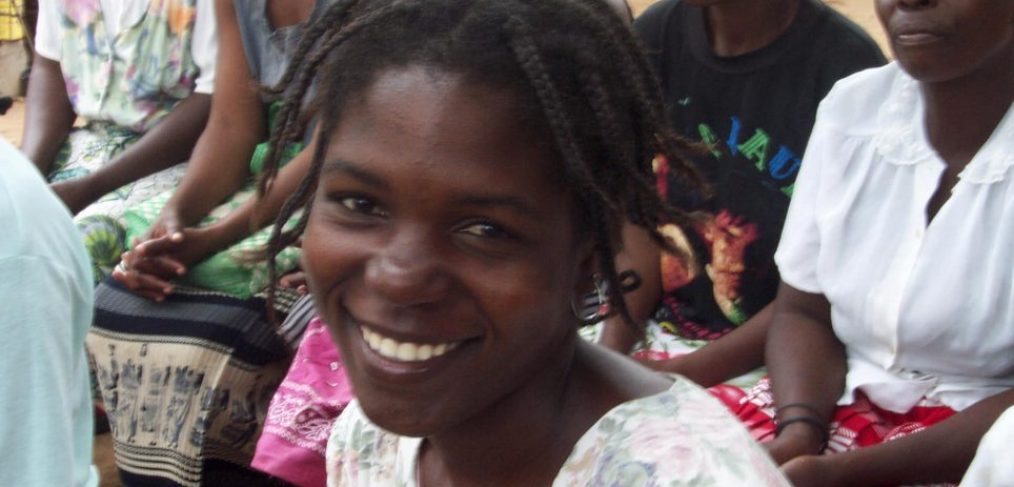
On International Human Rights Day, we celebrate Indigenous Peoples and Local Communities. At long last the world is increasingly hearing their voices, acknowledging their rights to sustainably manage their resources, and respecting their ecological knowledge.
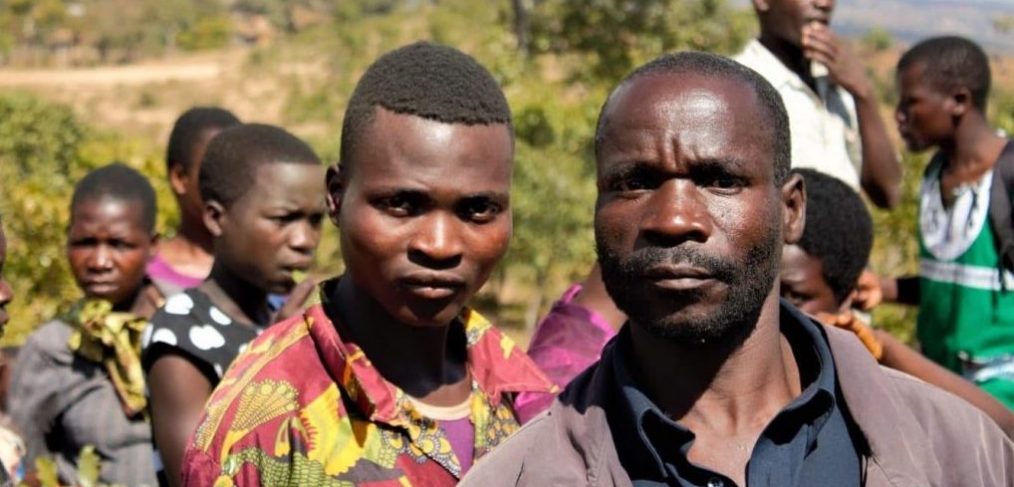
In response to The Times editorial (“Blood Money”, 7 December), Resource Africa has submitted a response to the Letters Page which, amongst other observations, states:
A Community Leaders Network (CLN) has been established, bringing together over 50 representatives of local communities engaged in Community Based Natural Resource Management (CBNRM).
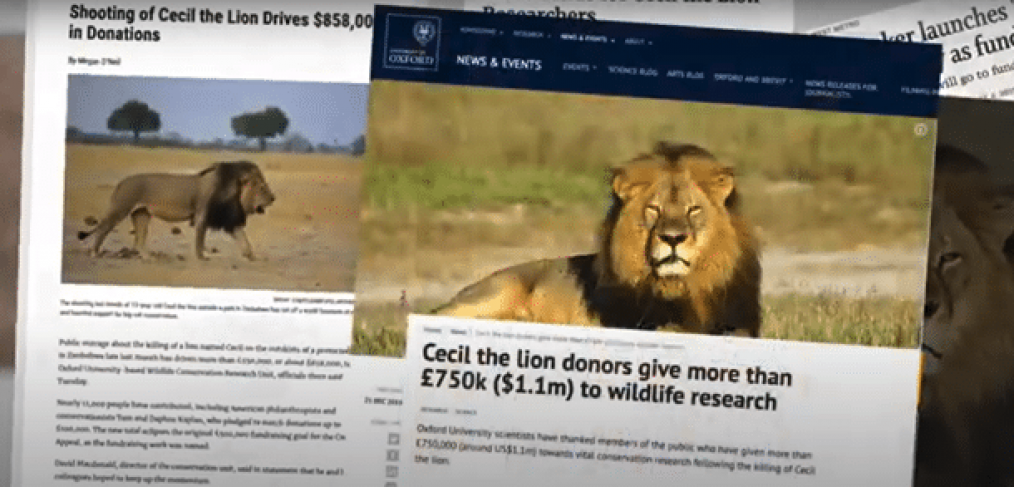
In this groundbreaking video, community leaders speaking on behalf of millions of people from eight southern African countries call for immediate action to address continuing injustices preventing people in southern Africa from exercising their rights to manage and conserve the wildlife on their land.
Watch the video
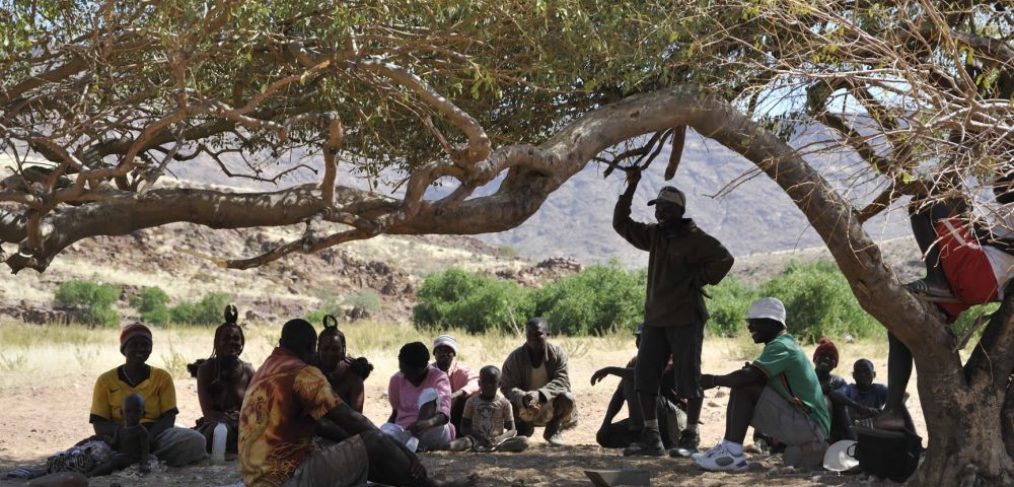
As representatives of millions of rural Africans, the majority of whom live below the poverty line, we are urgently appealing to you to assist us by preventing the undermining of our globally recognised