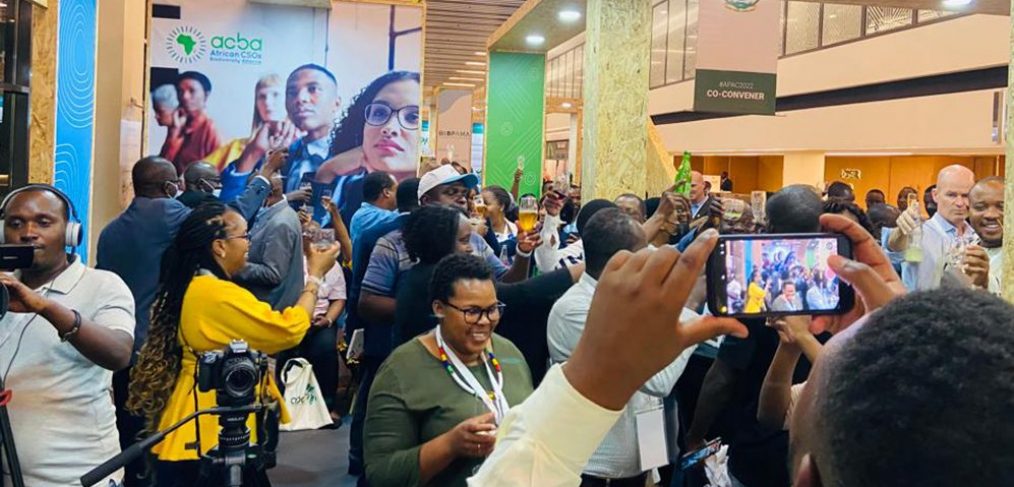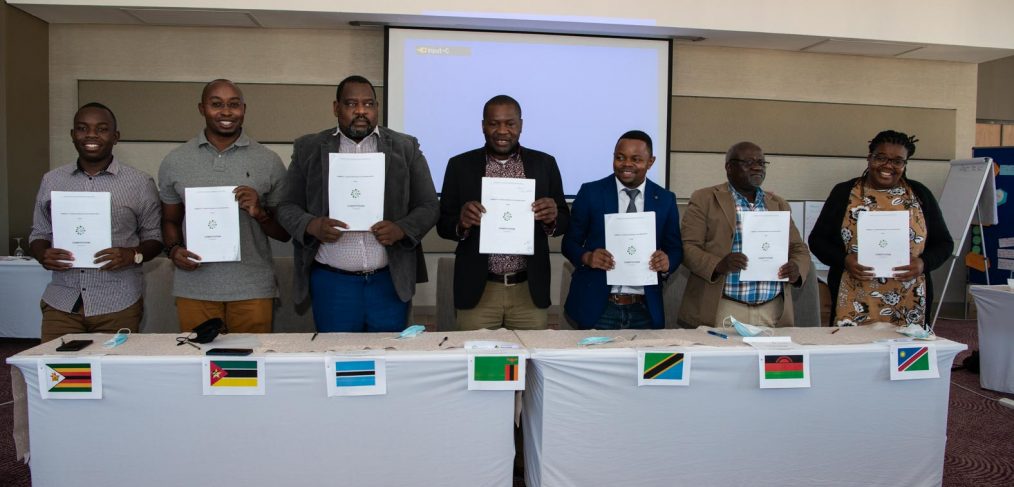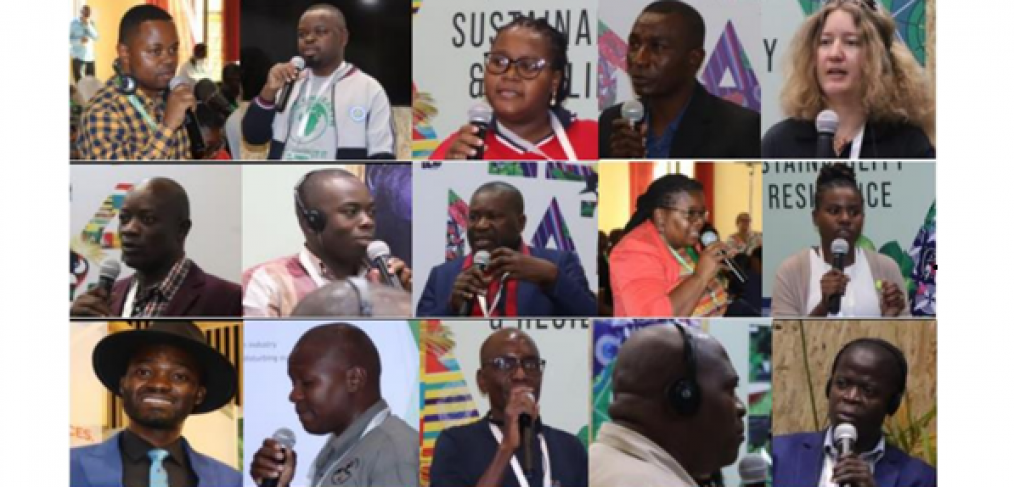
The Ngamiland Council of Non-Governmental Organisations (NCONGO), in collaboration with its partners; Community Leaders Network of Southern Africa (CLN), Ministry of Environment and Tourism and North West District Council – Ngamiland CBRNM Forum, proudly concluded the 2026 Community-Based Natural Resource Management – CBNRM Forum, marking a significant milestone in Botswana’s community conservation journey.
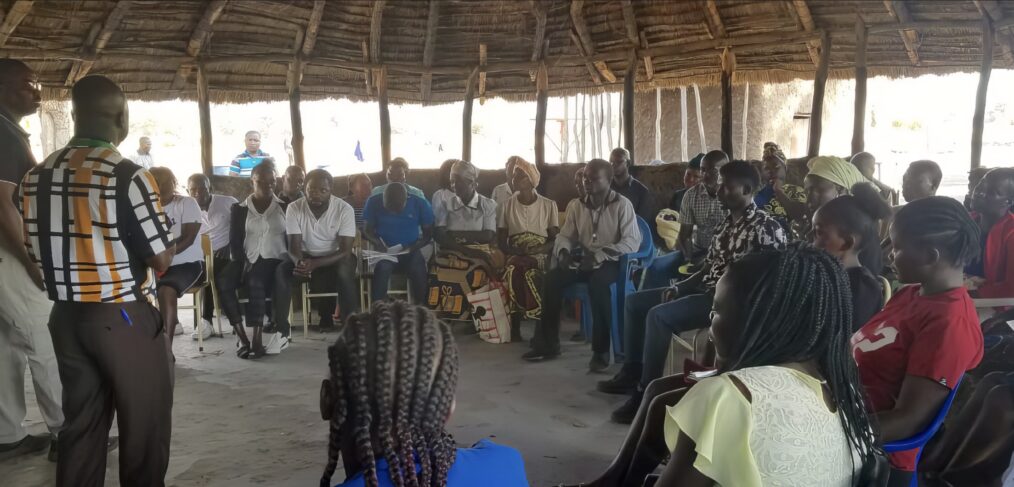
Held in Maun, the two-day forum brought together more than 200 participants from across Botswana, including representatives of Community-Based Organizations (CBOs), Community Trusts, governmentinstitutions, civil society organizations, traditional leaders, conservation practitioners, development partners, and private sector stakeholders. The forum also welcomed delegates from Zambia (Zambia CBNRM Association), Zimbabwe (Campfire), and Namibia (Namibian Association of CBNRM Support Organisations – NACSO), who shared valuable experiences and lessons from their well-established national CBNRM structures, providing an opportunity for regional learning and collaboration.
The forum was designed to strengthen dialogue on community-led natural resource management, promote knowledge exchange, and identify practical solutions to challenges affecting rural communities that depend on natural resources for their livelihoods. Through presentations, panel discussions, and interactive engagements, participants explored opportunities to enhance governance, strengthen community institutions, improve benefit-sharing mechanisms, and ensure that communities remain central to the management of Botswana’s natural resources.
A Landmark Achievement
The defining outcome of the forum was the establishment of the National CBNRM Association, a long-awaited and transformative platform designed to bring together Botswana’s CBNRM institutions under a shared national voice. Beyond creating a formal structure for collaboration, the Association represents an important step towards strengthening community participation, institutional coordination, and collective advocacy in the governance
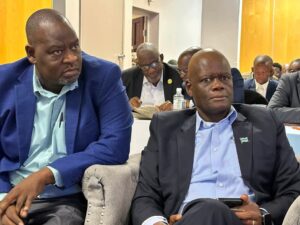
of Botswana’s natural resources. The Association represents a significant step towards improving coordination among community organizations, strengthening advocacy, promoting good governance, and creating a unified platform through which communities can engage government, development partners, conservation organizations, and the private sector on matters affecting community-based natural resource management.
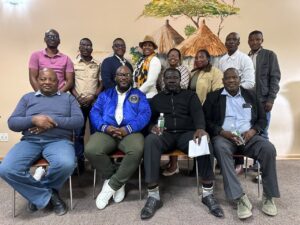
To lead this important process, forum delegates elected a 10-member Interim Committee representingCBOs from across Botswana. The committee has been mandated to establish the Association over the next twelve months.
The Road Ahead
The Interim Committee has been entrusted with several key responsibilities, including:
- Drafting the Constitution of the National CBNRM Association.
- Preparing and submitting the Association’s registration documents.
- Developing governance and corporate governance frameworks.
- Designing a resource mobilization strategy to support the Association’s sustainability.
- Developing a communication and stakeholder engagement strategy.
- Preparing a report with recommendations from the National CBNRM Forum for presentation to Government and other stakeholders.
- Organising and convening the inaugural General Assembly to adopt the Constitution and elect the first National Executive Committee.
These deliverables will establish a strong institutional foundation for a sustainable and nationally representative Association capable of advancing the interests of CBNRM across Botswana.
A New Chapter for Community Conservation
For many years, Community Trusts and CBOs have made invaluable contributions to conservation, biodiversity protection, eco-tourism, and rural livelihoods. However, the absence of a unified national body has limited opportunities for coordinated advocacy, peer learning, and collective representation.
The National CBNRM Association marks the beginning of a new chapter, one in which communities will have a stronger national platform to share experiences, influence policy, promote good governance, and collectively advance sustainable natural resource management.
The Association is expected to strengthen collaboration among CBNRM practitioners while fostering partnerships that support community empowerment, biodiversity conservation, and inclusive socio-economic development.
NCONGO’s Commitment
As the Secretariat of the forum, NCONGO remains committed to supporting community-led conservation initiatives and strengthening the capacity of CBOs across Botswana. The successful convening of the forum demonstrates the power of collaboration and reinforces the importance of creating platforms where communities can shape the future of natural resource governance.
NCONGO extends its sincere appreciation to all participants, speakers, partners, funders, government representatives, and regional delegates, whose contributions made the forum a resounding success.
The Association will be more than the creation of a new institution; it will be the beginning of a united movement that will empower communities, strengthen conservation efforts, and ensure that Botswana’s natural resources continue to benefit present and future generations.
Together, we are building better communities.