7 Reasons a UK Trophy Hunting Import Ban Is a Bad Idea

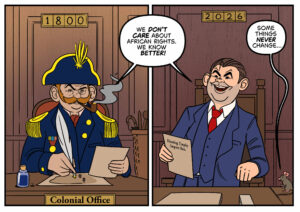
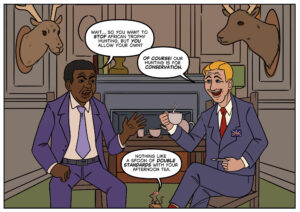
The proposed UK trophy hunting import ban, though framed as a compassionate morality play, risks doing far more harm than good by substituting Western emotion for African evidence. Across Southern Africa, wildlife is not an abstract ideal but a lived reality requiring active management. Implementing a blanket import ban exposes a deep-seated ‘white savior’ complex and neocolonial undertones in London-based policymaking, where critical decisions are made without consulting those most affected.

When international policies strip away the economic value of wildlife, they do not preserve it. Instead, they dismantle the funding that drives successful conservation and supports rural economies. This high-stakes legislative move threatens the livelihoods of millions of rural Africans, abandoning local communities to bear the heavy costs of conservation entirely alone. Ultimately, understanding these complex dynamics highlights the 7 Reasons a UK Trophy Hunting Import Ban Is a Bad Idea:

  1. It targets the wrong problem

For the species affected, trophy hunting is not the main threat. Habitat loss, land conversion, poaching, and retaliation linked to human-wildlife conflict are far bigger risks — and that is where the focus needs to be.

  1. It could hurt the wildlife it aims to protect

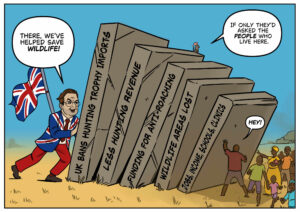
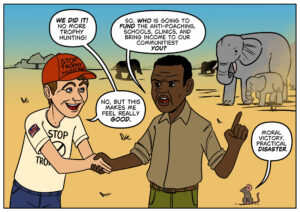
Regulated hunting helps pay for rangers, anti-poaching work, roads, monitoring, and wildlife management. Remove that income, and protection systems weaken. In practice, a ban could do the opposite of what it intends: less funding can mean fewer patrols, more poaching, poorer habitat management, and ultimately less wildlife.

  1. It hurts rural communities

Hunting revenue also supports jobs, household income, and community services such as schools and clinics in remote areas where tourism is often not feasible, and few other economic opportunities exist and removing that income would have devastating impacts on many rural communities.

  1. It can reduce tolerance for dangerous wildlife

Living with elephants, lions, crocodiles, and other wildlife can carry real costs. When benefits disappear but risks remain, support for wildlife can fall, and communities may retaliate against animals that raid crops or kill livestock.

  1. It can lead to land-use change

If people living alongside wildlife are only bearing the costs of coexistence, and see no benefits in return, there is a real risk that animals will be removed, and land converted to farming, livestock, or other uses. That can mean less space for nature.

  1. It ignores African voices

This debate is not happening in a vacuum. Decisions made in London affect people and wildlife thousands of miles away. The communities and governments most affected should be consulted, not treated as an afterthought.

  1. The UK already has strict controls

The UK does not allow trophy imports without checks. In practice, trophies can only be imported where they are legally sourced and where the hunt has demonstrated proven conservation value. A blanket ban would sweep away that targeted approach, and with it the conservation value that the current system can support.

The better question

This debate should not be about what sounds good in Britain. It should be about what works in practice for wildlife, what is fair to people who live with wildlife every day, and what is supported by peer-reviewed evidence?

References:

  • Challender, D. W. S., Cooney, R., Biggs, D., Dickman, A., Milner-Gulland, E. J., Redford, K. H., & Roe, D. (2024). Evaluating key evidence and formulating regulatory alternatives regarding the UK’s Hunting Trophies (Import Prohibition) Bill. Conservation Science and Practice, 6(10), e13220. https://doi.org/10.1111/csp2.13220
  • Commission Regulation (EC) No 865/2006 of 4 May 2006 laying down detailed rules concerning the implementation of Council Regulation (EC) No 338/97. Retained in UK law post-Brexit. https://www.legislation.gov.uk/eur/2006/865
  • Cooney, R., Freese, C., Dublin, H., Roe, D., Mallon, D., Knight, M., Emslie, R., Pani, M., Booth, V., Mahoney, S., & Buyanaa, C. (2017). The baby and the bathwater: Trophy hunting, conservation and rural livelihoods. Unasylva, 68(249), 3–16. Food and Agriculture Organization of the United Nations (FAO). https://www.fao.org/3/i7337en/i7337en.pdf
  • Council Regulation (EC) No 338/97 of 9 December 1996 on the protection of species of wild fauna and flora by regulating trade therein. Retained in UK law post-Brexit.
  • Department for Environment, Food & Rural Affairs (DEFRA). (2021). Ban on the import of hunting trophies: Impact assessment. https://publications.parliament.uk/pa/bills/cbill/58-03/0026/HuntingTrophies(ImportProhibition)BillImpactAssessment.pdf
  • Intergovernmental Science-Policy Platform on Biodiversity and Ecosystem Services (IPBES). (2019). Summary for policymakers of the global assessment report on biodiversity and ecosystem services. IPBES Secretariat. https://ipbes.net/globalassessment
  • IUCN Sustainable Use and Livelihoods Specialist Group (SULi), CEESP, & SSC. (2016, updated 2023). Informing decisions on trophy hunting: A briefing paper regarding issues to be taken into account when considering restriction of imports of hunting trophies. IUCN.
  • Jaureguiberry, P., Titeux, N., Wiemers, M., Bowler, D. E., Coscieme, L., Golden, A. S., Jacob, U., Takahashi, Y., Settele, J., & Díaz, S. (2022). The direct drivers of recent global anthropogenic biodiversity loss. Science Advances, 8(45), eabm9982. https://doi.org/10.1126/sciadv.abm9982
  • Lindsey, P. A., Roulet, P. A., & Romanach, S. S. (2007). Economic and conservation significance of the trophy hunting industry in sub-Saharan Africa. Biological Conservation, 134(4), 455–469. https://doi.org/10.1016/j.biocon.2006.09.005
  • (2022, February 14). Conflicting attitudes around the trophy hunting ban. https://www.survation.com/conflicting-attitudes-around-the-trophy-hunting-ban
  • Vorhies, F. (2024). Elephant in the Room: Why a Trophy Hunting Ban Would Hurt Conservation and Development. African Wildlife Economy Institute & Institute of Economic Affairs. https://iea.org.uk/publications/elephant-in-the-room/

CLN to Participate in the AICA General Assembly 2026

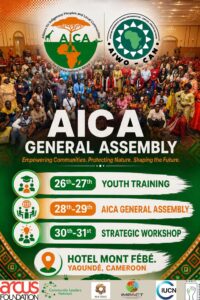
We are proud to participate in the AICA General Assembly 2026, taking place from 28–29 May 2026. The Assembly, convened by the Alliance for Indigenous Peoples and Local Communities for Conservation in Africa (AICA), brings together Indigenous Peoples and Local Communities (IPLCs), conservation leaders, and partners from across Africa.

For Southern Africa, conservation is more than protecting nature – it is about protecting land rights, culture, livelihoods, and community knowledge systems. Indigenous communities continue to play a vital role in safeguarding biodiversity and promoting sustainable environmental practices.

As a proud partner of AICA, CLN values this important platform for collaboration, advocacy, and regional solidarity. The Assembly presents an opportunity to amplify Southern African voices and strengthen community-led conservation approaches that place people, nature, and justice at the centre of sustainable development.

CLN looks forward to engaging with partners across Africa to advance inclusive conservation and Indigenous rights for present and future generations.

Announcing Mr. Norman Rigava as Executive Director of CLN

Announcement of Norman as Director of CLN

The Community Leaders Network is pleased to announce the appointment of Mr. Norman Rigava as the Executive Director of the CLN, marking a pivotal moment in the Network’s institutional growth and strategic direction. This appointment was affirmed during a critical Executive Committee and staff strategic meeting held in Windhoek, Namibia, from 14 -16 January 2026, convened for strategic reflection, induction, and forward-looking discussions on CLN’s priorities in the SADC region.

Mr. Rigava brings over three decades of distinguished leadership in conservation and development, with extensive experience in Natural Resources Management across Southern, West, Central, and East Africa. His career spans senior roles within government institutions and international non-governmental organizations, where he has consistently advanced inclusive, community-centered, and rights-based approaches to land and natural resource governance.

Prior to joining CLN, Mr. Rigava provided critical technical expertise to the WWF KAZA TFCA Programme, contributing to transboundary conservation initiatives and strengthening environmental safeguards, monitoring, and accountability frameworks.

As Executive Director, Norman will be instrumental in aligning CLN’s activities with its Strategic Framework. His leadership ensures the organization remains steadfast in its core mandate, which is empowering CLN’s national networks and their constituent members to drive sustainable, community-led impact across the continent. Please join us in welcoming Norman to the helm.


Dr. Rodgers Lubilo

President of CLN

Evidence Over Emotion

Why a UK Hunting Trophy Import Ban will Harm African Communities and Wildlife:

August 2025

In June 2024, the Labour Party pledged in its election manifesto to introduce a ban on the import of hunting trophies to the United Kingdom. Now elected to government, that commitment could soon shape legislative proposals with far-reaching implications for international conservation efforts, local livelihoods, and Indigenous Peoples and Local Communities in Africa. This report has been compiled to inform that moment.

While the most recent legislative attempt — a Private Member’s Bill introduced by Conservative MP David Reed — failed to pass, the manifesto commitment signals continued political interest in the issue. We offer this document not in response to a specific bill, but in anticipation of one. Our goal is to ensure that any future policy debate is guided by science, inclusive of affected voices, and rooted in the realities of conservation on the ground — not just the sentiments of distant publics.

Evidence over Emotion Aug 2025

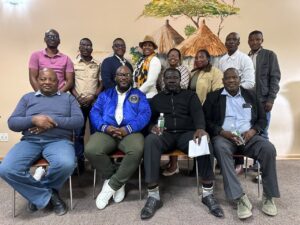
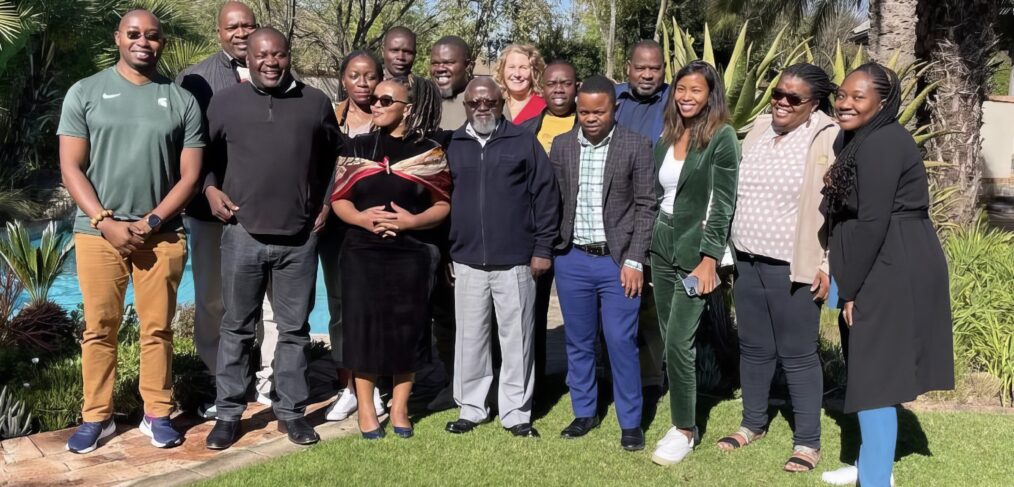
Group photo of the workshop participants.

Community Leaders Network of Southern Africa Strategy Workshop Report

In May 2023 the Community Leaders Network of Southern Africa (CLN) convened in Johannesburg, South Africa, to formulate their development strategy for the next six years. The workshop served as a platform for the CLN Board and key decision makers to collaboratively develop the framework of the strategy and a Theory of Change. Download the report here: (Africa Strategy Workshop Report.pdf)


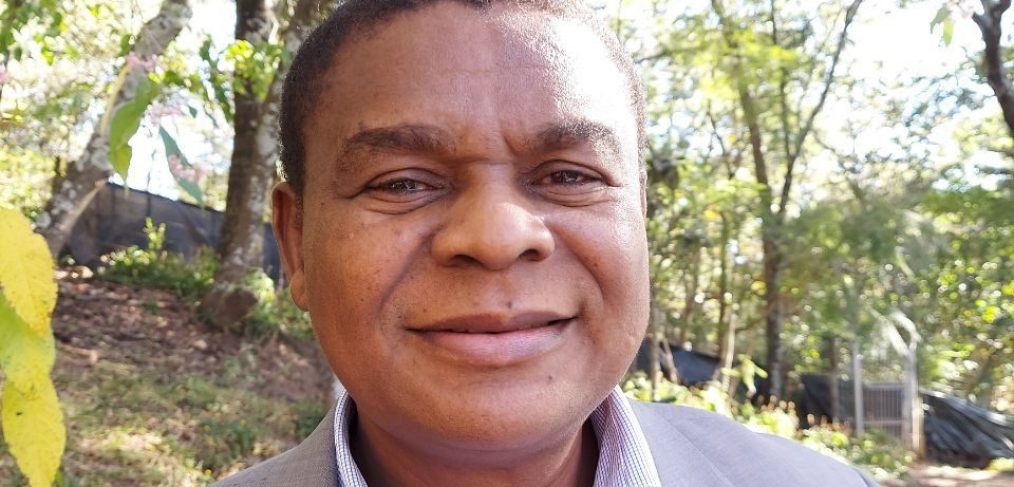
Photo of Charles Jonga

Message from Community Leaders Network of Southern Africa on the Passing of Charles Jonga

It is with heavy hearts and deep sorrow that we note the passing of CLN Vice Chairperson Comrade Charles Jonga.


Charles was an icon, a legend and exemplary leader for community conservation. Comrade Jonga was not just a pillar for CAMPFIRE in Zimbabwe but an inspiration to young conservation leaders across Southern Africa.

Read More
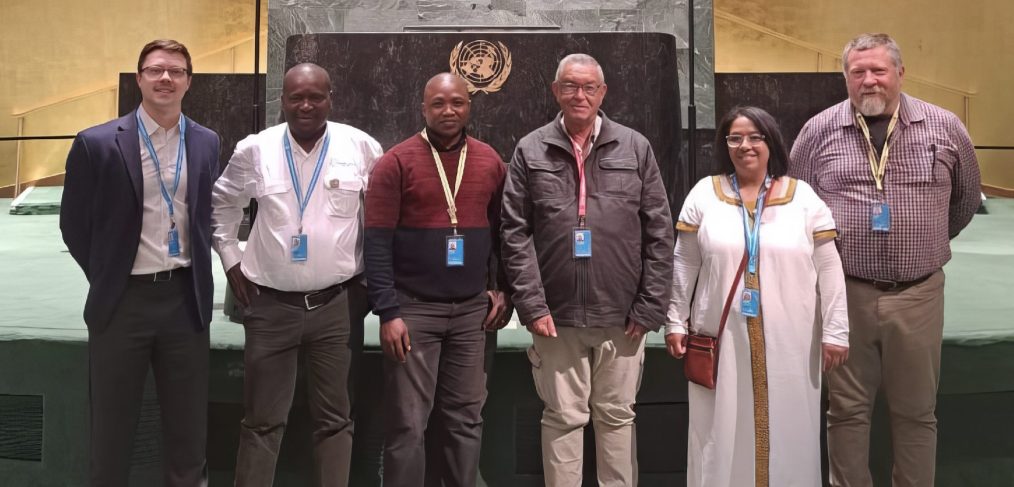
Six people posing in front of the UN emblem.

CLN sees opportunities at the United Nations Permanent Forum for Indigenous Issues

As the Chairperson of Community Leaders Network of Southern Africa, I participated in the recent 22nd Session of the United Nations Permanent Forum on Indigenous Issues (UNPFII) held in New York, USA. It was a real eye opener for me, as I started to appreciate the challenges, abuse and human rights infringements that over 6.7 million indigenous peoples around the world have had to endure. 

Read More
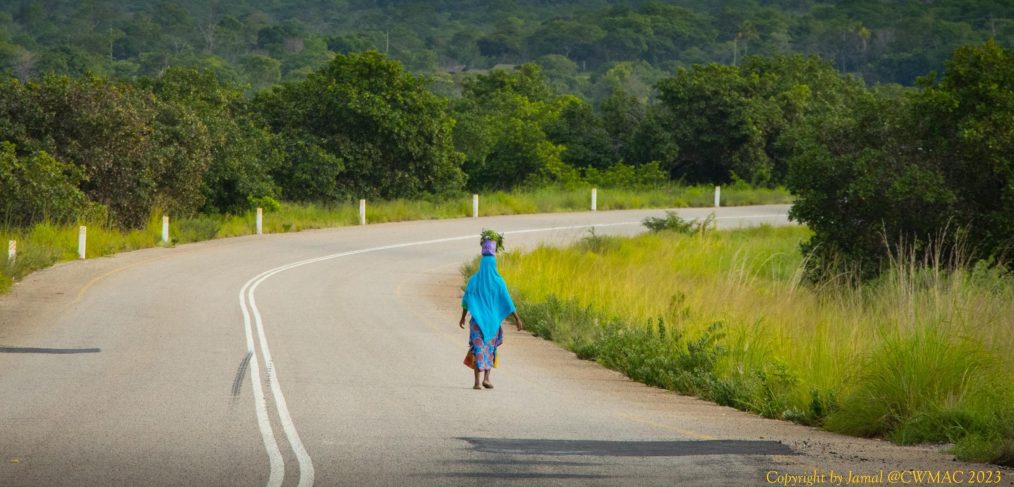
I woman with a basket on her head walks along a tarred road.

Improving Governance of Community Wildlife Management Areas in a key Wildlife Corridor in Tanzania

Community Wildlife Management Areas (WMAs) in Tanzania are lands designated for wildlife conservation and managed by rural communities. Every five years, the villages associated with particular WMAs elect leaders to run their Community-Based Organisation (CBO) that is recognised by government as an Authorised Association mandated to manage their WMAs. Well-managed WMAs should achieve the twin goals of wildlife conservation and generating socio-economic benefits for community members.

Read More