
Announcing Mr. Norman Rigava as Executive Director of CLN

Announcement of Norman as Director of CLN

The Community Leaders Network is pleased to announce the appointment of Mr. Norman Rigava as the Executive Director of the CLN, marking a pivotal moment in the Network’s institutional growth and strategic direction. This appointment was affirmed during a critical Executive Committee and staff strategic meeting held in Windhoek, Namibia, from 14 -16 January 2026, convened for strategic reflection, induction, and forward-looking discussions on CLN’s priorities in the SADC region.

Mr. Rigava brings over three decades of distinguished leadership in conservation and development, with extensive experience in Natural Resources Management across Southern, West, Central, and East Africa. His career spans senior roles within government institutions and international non-governmental organizations, where he has consistently advanced inclusive, community-centered, and rights-based approaches to land and natural resource governance.

Prior to joining CLN, Mr. Rigava provided critical technical expertise to the WWF KAZA TFCA Programme, contributing to transboundary conservation initiatives and strengthening environmental safeguards, monitoring, and accountability frameworks.

As Executive Director, Norman will be instrumental in aligning CLN’s activities with its Strategic Framework. His leadership ensures the organization remains steadfast in its core mandate, which is empowering CLN’s national networks and their constituent members to drive sustainable, community-led impact across the continent. Please join us in welcoming Norman to the helm.


Dr. Rodgers Lubilo

President of CLN
Evidence Over Emotion

Why a UK Hunting Trophy Import Ban will Harm African Communities and Wildlife:

August 2025

In June 2024, the Labour Party pledged in its election manifesto to introduce a ban on the import of hunting trophies to the United Kingdom. Now elected to government, that commitment could soon shape legislative proposals with far-reaching implications for international conservation efforts, local livelihoods, and Indigenous Peoples and Local Communities in Africa. This report has been compiled to inform that moment.

While the most recent legislative attempt — a Private Member’s Bill introduced by Conservative MP David Reed — failed to pass, the manifesto commitment signals continued political interest in the issue. We offer this document not in response to a specific bill, but in anticipation of one. Our goal is to ensure that any future policy debate is guided by science, inclusive of affected voices, and rooted in the realities of conservation on the ground — not just the sentiments of distant publics.

Evidence over Emotion Aug 2025

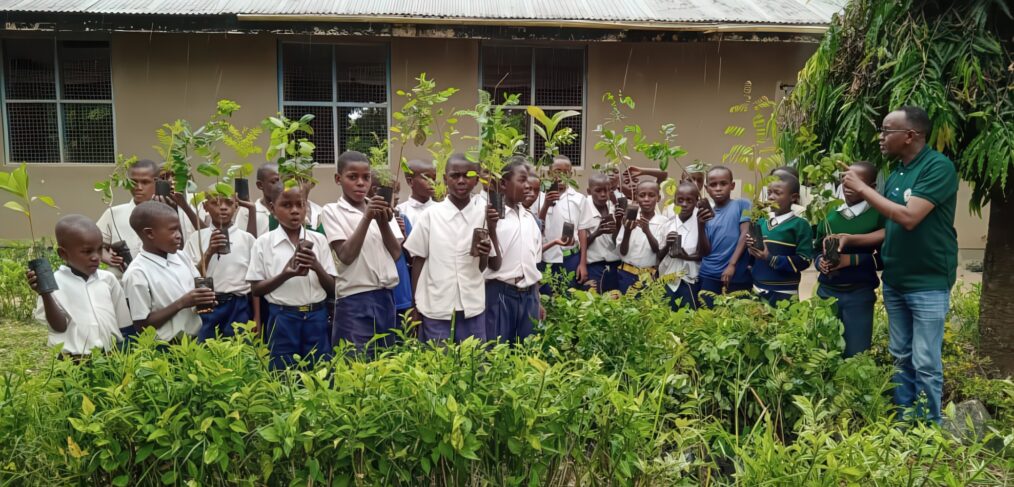
A group of schoolchildren holding baby trees ready to plant.

Communities and Forests: The Inspiring Story of Pange Juu, Zanzibar

In the face of climate change, global warming, and the escalating loss of natural habitats, one truth stands out: local communities are not only victims of environmental degradation but also powerful agents of change. A shining example of this truth can be found in the heart of Zanzibar, where the 9 villages of Kitogani have become a beacon of hope through their committed efforts to conserve the Pange Juu Community Forest.

Read More
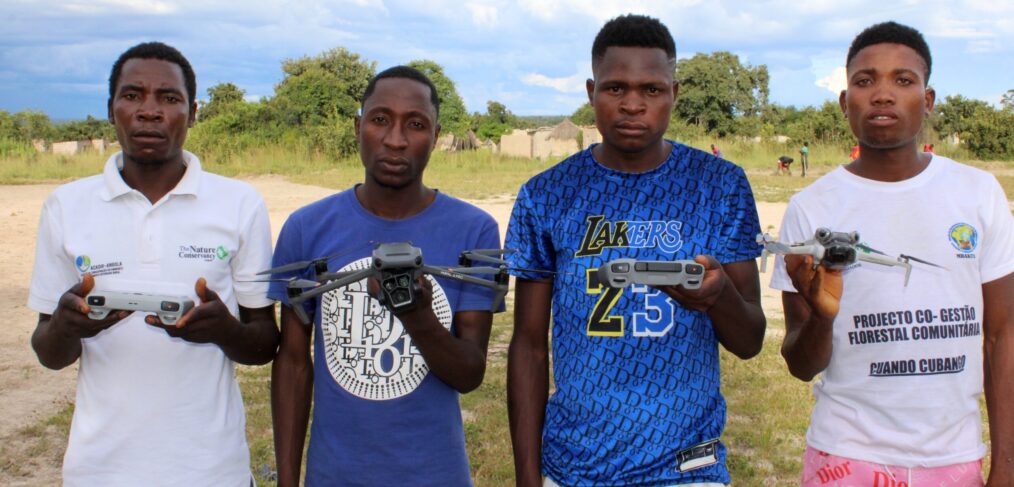
Four young drone operators with their tech.

Linking Technology With Community Conservation in the Cubango/Okavango Basin

Introduction

Technological advances can contribute significantly to the conservation and management of nature, but these must be matched with the local knowledge of communities to be truly effective. It is in this context that the Association for the Conservation and Management of the Environment and Wildlife (ACGAVS) is starting to use unmanned aerial vehicles (commonly known as drones) to monitor community forests and national parks alongside local communities.

Read More
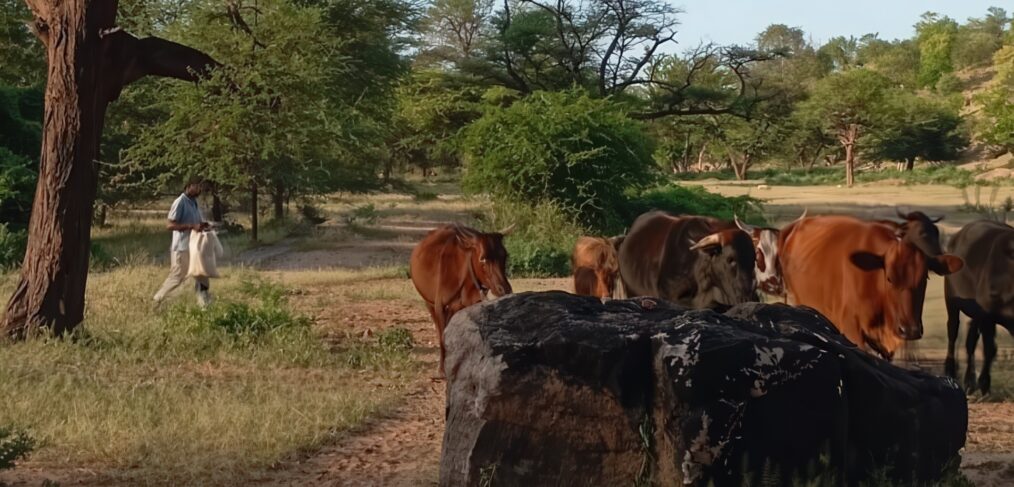
A herder stands near a group of cattle.

Human-lion Conflict: A Growing Concern in Hwange District

Human-lion conflict is a pressing issue in Hwange District, Zimbabwe, where livestock depredation by lions and other predators is a significant threat to farmers’ livelihoods. According to the Hwange Rural District Council (RDC) Environment Department’s Problem Animal Control report book for 2024, lions were responsible for 120 livestock losses, hyenas for 125, crocodiles for 86, and leopards for 35. Although lions prey on almost all livestock, they kill more cattle than any other predator, which means that lions cause the most damages in terms of economic value.

Read More
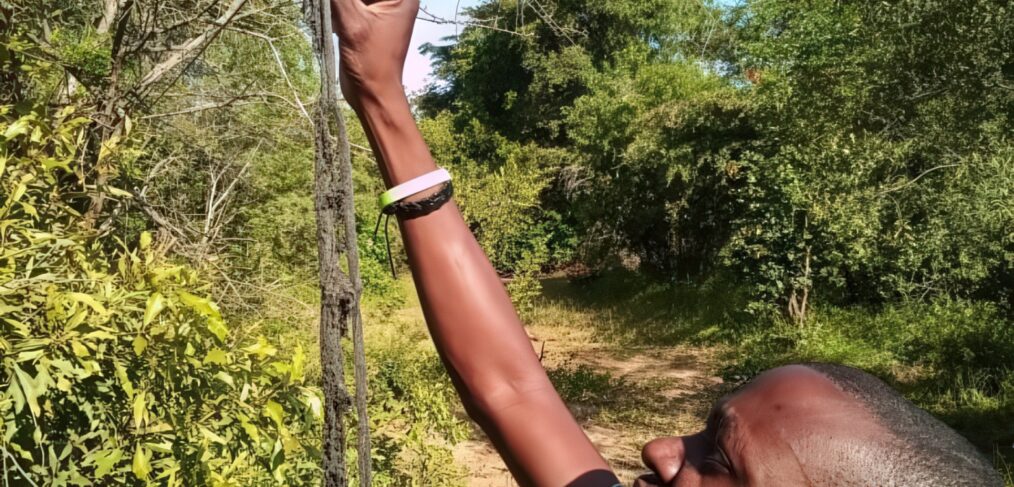
A man reaches up as he works on a chilli fence.

Chili Fences: A Game-Changer in Human-Elephant Conflict Mitigation

In Zimbabwe’s Hwange District, an innovative solution is helping to mitigate human-elephant conflict (HEC) and change the lives of local communities. Chili fences are a non-lethal method of protecting crops and reducing conflicts between humans and elephants. The chili fence strategy was made possible by the generous support of Connected Conservation, who donated chili fence materials. By working hand-in-hand with local communities, the initiative has significantly reduced human-elephant conflict.

Read More