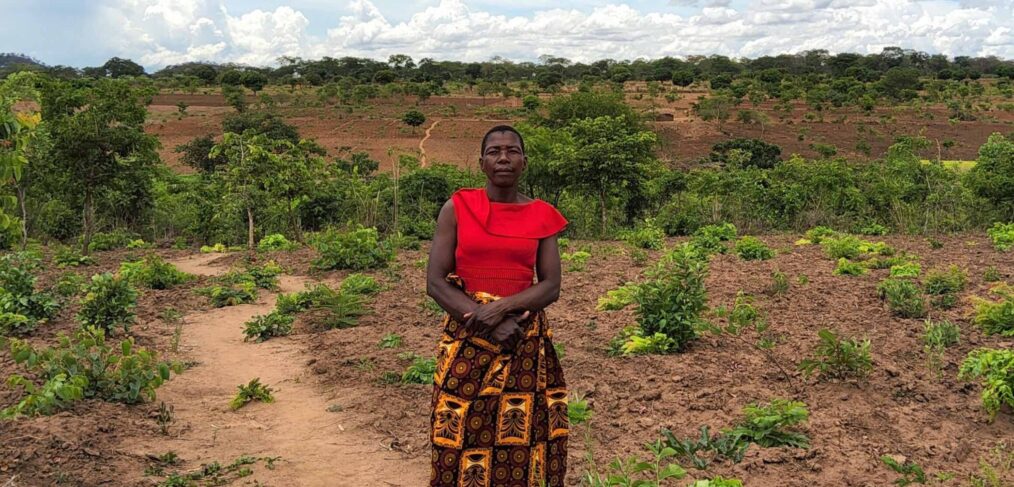
A woman stands facing the camera amongst her soya crops near Kasungu, Malawi.

Using soybeans to improve livelihoods and promote biodiversity conservation around Kasungu National Park, Malawi.

Communities living around Kasungu National Park in Malawi traditionally grow maize to feed their families and a few other cash crops to generate income. High poverty levels and declining soil fertility have driven some community members into the neighbouring park to clear more land, hunt wildlife or harvest wood illegally to make ends meet. Kasungu Wildlife Conservation and Community Development Association (KAWICCODA) have started a transformative project with support from the Biodiversity and Protected Areas Management (BIOPAMA) Programme to help change this situation using soybeans.

Read More
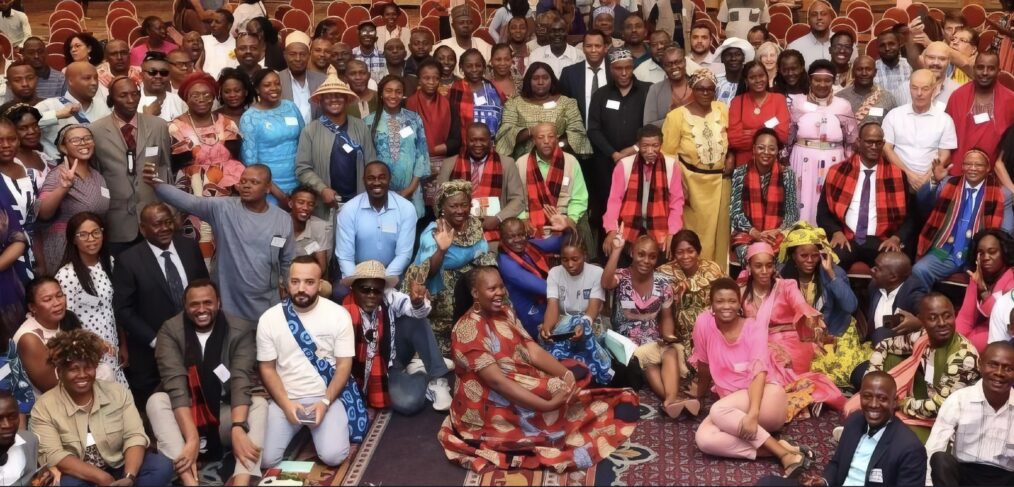
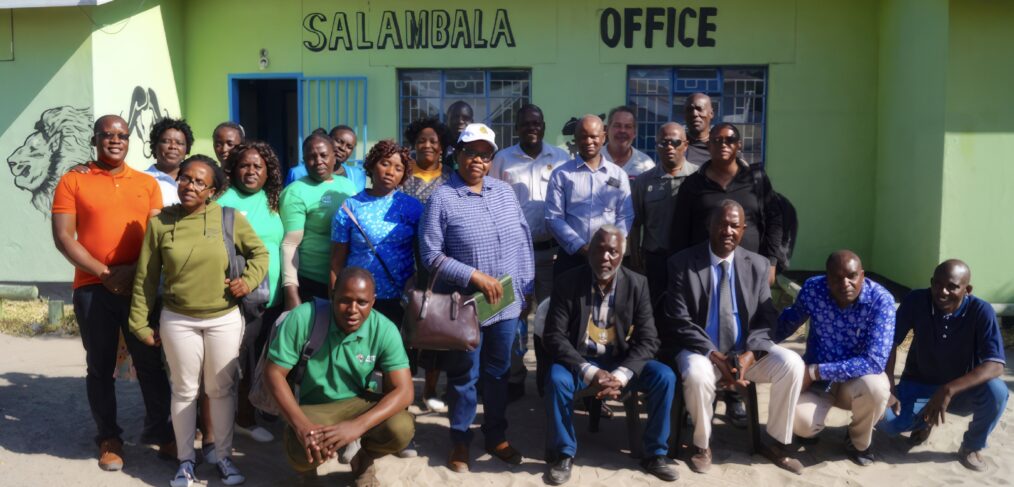
Around 50 people in a meeting room pose for a group photograph.

Communiqué of the Community Conservation Congress held in Windhoek, Namibia

The First Africa Indigenous People & Local Communities Conservation Congress, organised under the theme “We are nature & nature is us”, convened between 25th and 27th of October 2023, brought together Indigenous People and Local Communities (IPLCs) from the five regions of Africa to discuss, debate, and offer ideas on how to implement the Africa Protected Areas Congress (APAC) Kigali Call to Action and the Kigali IPLC Declaration.

The Community Leaders Network of Southern Africa proudly hosted this even in Windhoek, Namibia. Read the full Communiqué from the event in English here, in French here. The press release for the event in English here, in French here. 

WATCH: Interview on the Indigenous Peoples and Local Communities Conservation Congress

Dr Rodgers Lubilo and Malidadi Langa discuss the main issues that were addressed during the first-ever African Indigenous Peoples and Local Communities Conservation Congress. Land rights, resource use rights, human wildlife conflict and building an African Alliance to amplify African voices are among the highlights. We will continue to work together with our partners across Africa to create a movement for conservation that truly benefits African people.


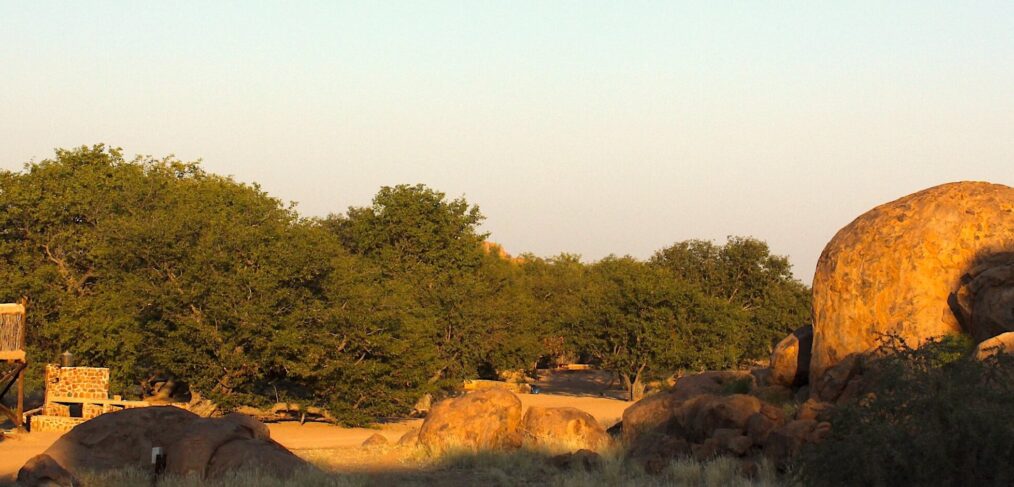
A group of people sitting in a circular meeting building.

Investigating the socio-economic conditions of communities in Luengue-Luiana National Park, Angola

Luengue-Luiana National Park in Angola is part of the Kavango-Zambezi Trans-frontier Conservation Area (KAZA TFCA) that covers parts of five African countries (Angola, Botswana, Namibia, Zambia and Zimbabwe). This Park covers 22,610 km², and is patrolled by government rangers and 27 community game guards trained by ACADIR-Angola. This national park is not exclusively for animals, however, as 49,300 people currently live within its boundaries. In line with the other KAZA TFCA countries, Angola wants to develop a wildlife economy that will support people and wildlife living in this landscape. 

Read More