Community conservation efforts in Southern Africa started in the 1980s and have since taken slightly different paths towards including rural communities in the wildlife economy and nature conservation. Over the years there have been some exchange visits and other events to increase communication among the community conservation stakeholders in these countries, but such opportunities remain rare.
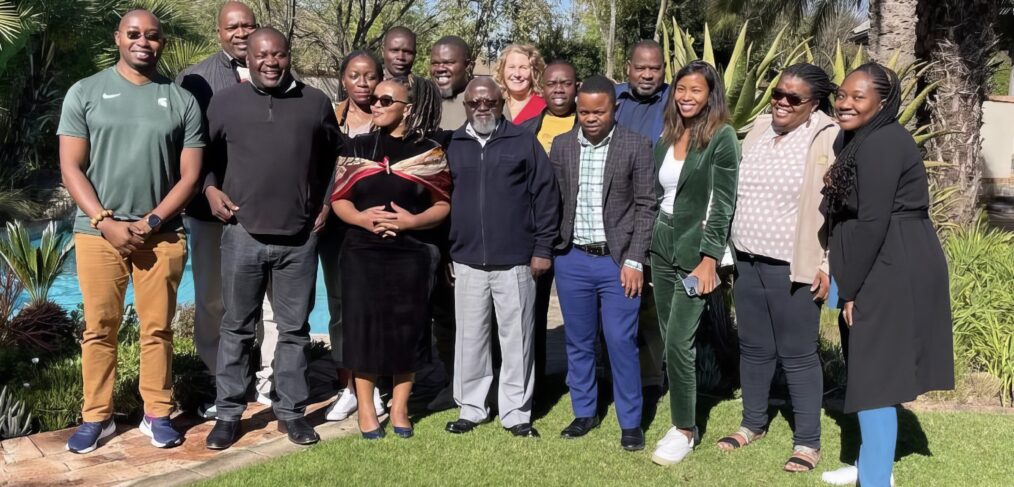
In May 2023 the Community Leaders Network of Southern Africa (CLN) convened in Johannesburg, South Africa, to formulate their development strategy for the next six years. The workshop served as a platform for the CLN Board and key decision makers to collaboratively develop the framework of the strategy and a Theory of Change. Download the report here: (Africa Strategy Workshop Report.pdf)
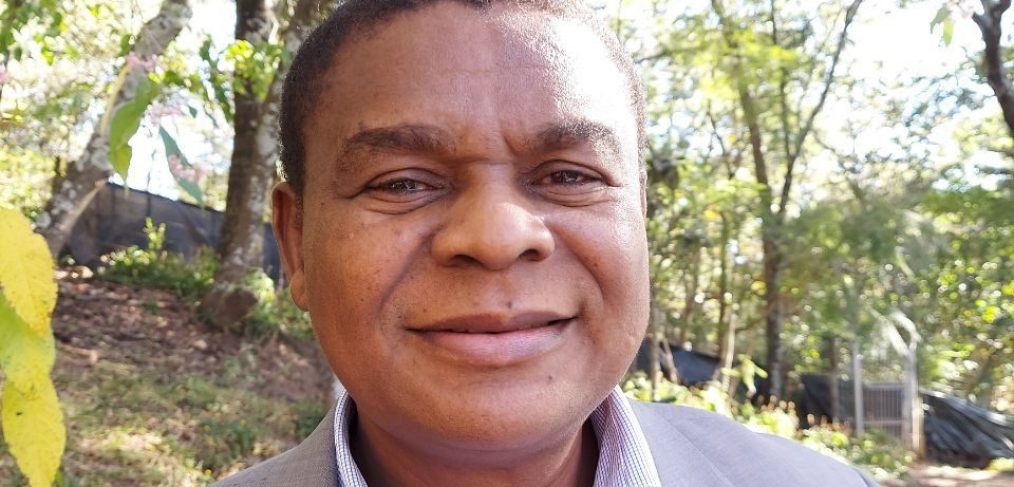
It is with heavy hearts and deep sorrow that we note the passing of CLN Vice Chairperson Comrade Charles Jonga.
Charles was an icon, a legend and exemplary leader for community conservation. Comrade Jonga was not just a pillar for CAMPFIRE in Zimbabwe but an inspiration to young conservation leaders across Southern Africa.
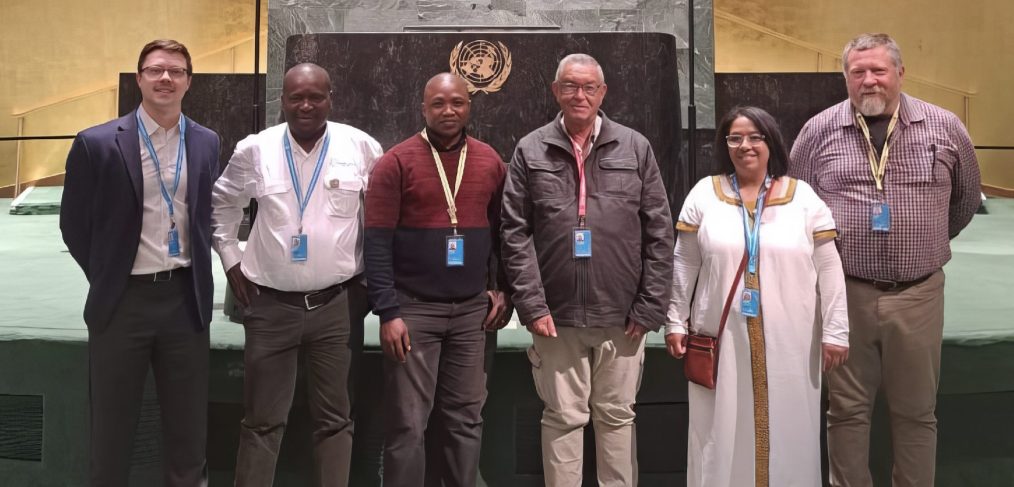
As the Chairperson of Community Leaders Network of Southern Africa, I participated in the recent 22nd Session of the United Nations Permanent Forum on Indigenous Issues (UNPFII) held in New York, USA. It was a real eye opener for me, as I started to appreciate the challenges, abuse and human rights infringements that over 6.7 million indigenous peoples around the world have had to endure.
Community Wildlife Management Areas (WMAs) in Tanzania are lands designated for wildlife conservation and managed by rural communities. Every five years, the villages associated with particular WMAs elect leaders to run their Community-Based Organisation (CBO) that is recognised by government as an Authorised Association mandated to manage their WMAs. Well-managed WMAs should achieve the twin goals of wildlife conservation and generating socio-economic benefits for community members.
From 11th to 14th March 2023, Cyclone Freddy hit Malawi with a vengeance, sweeping away entire villages and leaving 676 dead and 537 missing. Over 659,278 people have been displaced due to the flooding while over 1.1 million people are in urgent need of humanitarian assistance.